

Coeliac Test
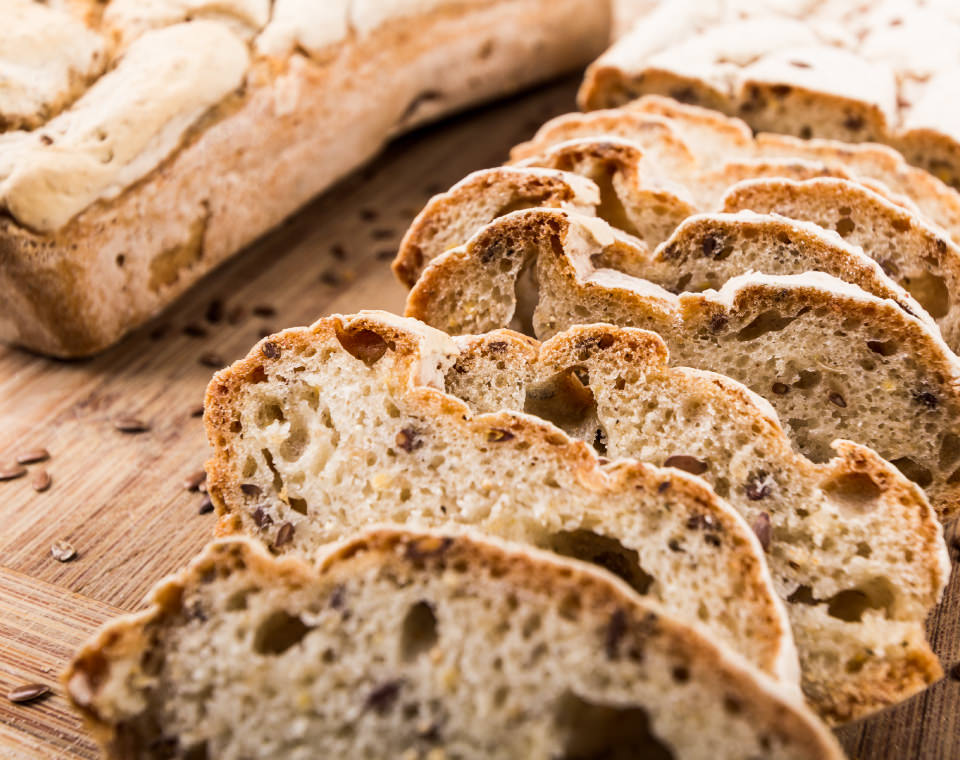
Is gluten making you sick?
Coeliac disease is an autoimmune disorder caused by a sensitivity to gluten. When someone with coeliac disease eats gluten, their immune system responds by inflaming the lining of the small intestine, which can cause abdominal pain, bloating and diarrhoea. Left untreated, this damage impairs the absorption of nutrients, leading to anaemia, fatigue and headaches. In severe cases it can contribute to liver disease, diabetes, cancer, osteoporosis and infertility.
Consider testing if you have a family history of coeliac disease, iron deficiency, gastrointestinal symptoms, unexplained infertility, liver disease, or another autoimmune condition such as diabetes or thyroid disease. Gluten is easy to underestimate in Singapore — beyond bread, noodles and prata, it is also present in soy sauce, oyster sauce, fish balls and many hawker marinades and stock bases.
Coeliac disease is controlled by eliminating gluten from the diet — this helps to heal the small intestine, manage symptoms and reduce the long-term risk of complications.
Important: Do not commence a gluten free diet before taking this test.

People with coeliac disease who are eating gluten show elevated tissue transglutaminase antibodies. These antibodies are produced by the immune system because it views gluten — the proteins found in wheat, rye and barley — as a threat. The test is positive in about 98% of patients with coeliac disease who are on a gluten-containing diet.
A negative result does not necessarily exclude coeliac disease, and if you are symptomatic you may require further testing. A biopsy of the small intestine is the only way to formally diagnose coeliac disease.


